
Dedicated to healthy eyes only
Our SMILE Laser Eye Surgery Research
Introducing the research and development history of SMILE at Samsung Miracle Eye Clinic.
Samsung Miracle Eye Clinic strives for 0% side effects
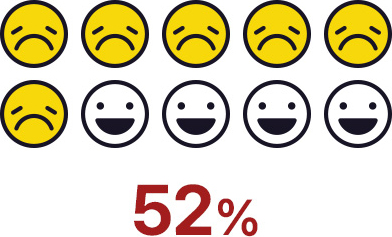
Experience Discomfort after LASIK or LASEK
(Dry eye, glare, myopia regression, etc.)
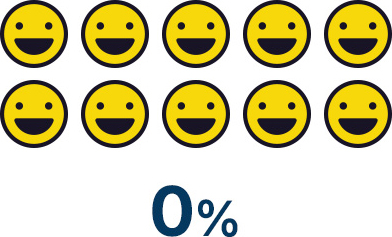
Samsung Miracle SMILE maintains 0% side effects
(As of surgery in July 2020)
Is it possible to maintain the same visual quality as before without side effects after laser vision correction surgery? To answer the question of lifelong quality of vision, Samsung Miracle conducted an in-depth study of 10,000 first-generation LASIK/LASEK patients in South Korea.
In-depth analysis of data from 10,000 first-generation
LASIK/LASEK patients in South Korea.
Survey period: October 2019 – June 2020 (9 months in total)
Survey subjects: 1st generation LASIK/LASEK (those who have had LASIK/LASEK for more than 10 years)
Survey participants: 10,000 people in total (100 people for in-depth analysis)
Research Material 01
In-depth, real interviews with the first generation of LASIK and LASEK patients.
Research Material 02
Survey on first-generation LASIK and LASEK vision correction surgeries
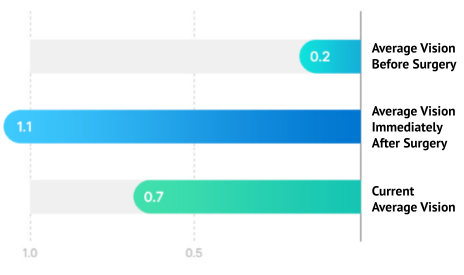
Current vision
10 years after LASIK/LASEK, vision drops to 0.7, vision deteriorates again, myopia regression occurs
Results Analysis
The average visual acuity for the first-generation LASIK/LASEK patients in Korea was 1.1 immediately after surgery. Myopia regression was observed, with a visual acuity decline of 11% at 5 years and 38% at 10 years. At the time of the current survey, the average visual acuity for both eyes was 0.7.
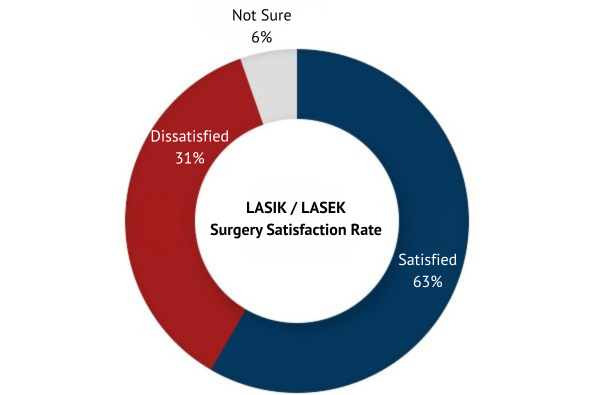
Surgery satisfaction
Most first-generation LASIK/LASEK patients are overall satisfied with their vision correction.
Results Analysis
It has been confirmed that most people feel a great benefit from corrective vision surgery, which improves their average eyesight and eliminates the need to wear glasses or contact lenses, and that they have a high level of satisfaction with their lives after corrective vision surgery.
Postoperative side effects
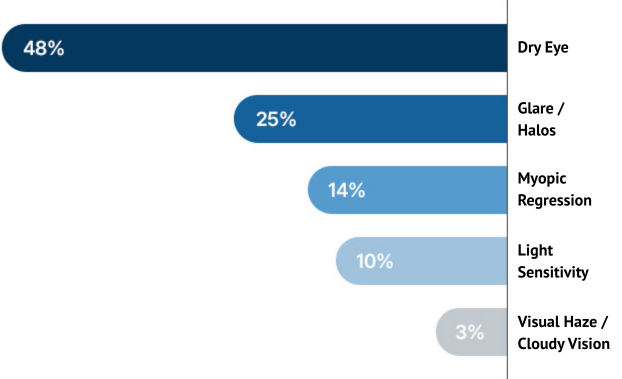
Some patients who have undergone vision correction are experiencing common side effects after surgery, such as dry eyes, glare, and myopia regression.
Results Analysis
After surgery, various side effects have been reported in some patients receiving vision correction. The most common side effects include dry eye (48%), glare (25%), and myopia regression (14%), which can interfere with daily life for some patients.
Desired Vision Correction Surgery
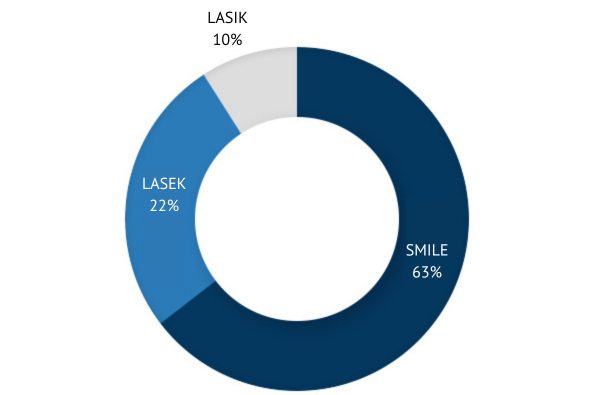
If I were to have surgery again, most would want SMILE Laser Eye Surgery.
Results Analysis
Among those who previously underwent LASIK/LASEK surgery, 68% chose SMILE when asked what type of vision correction they would want if they were to undergo the surgery again, and this was confirmed to be a choice based on the fact that it is a vision correction surgery that reduces corneal damage.
Research Material 03
First-generation LASIK/LASEK corneal condition in-depth examination
58%
(5,825 people)
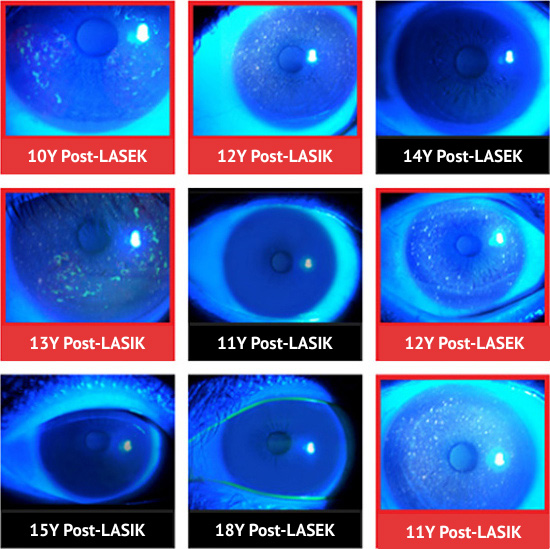
Detection of damaged corneal epithelial surface.
If the tear film lasts for more than 10 seconds, it is considered normal, and if it lasts for less than 5 seconds, it is considered a symptom of dry eye. Dry eye was found in 48% of patients.
Research Directions for Improving Miracle Vision Correction Surgery
Risk of corneal opacity and dry eye

Research on a transmissive, ultra-precision laser that reduces corneal epithelial irritation
27%
(2,712 people)
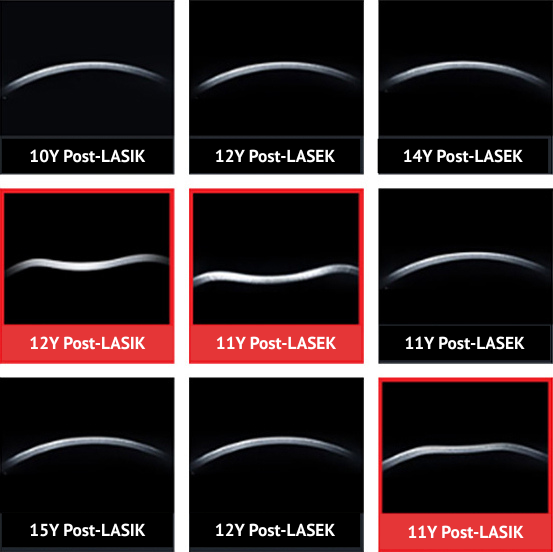
Corneal rigidity was found to be weak.
It was confirmed that 56% of cases had a corneal thickness of less than 400 microns due to excessive corneal ablation, and 27% had weak corneal rigidity.
Research Directions for Improving Miracle Vision Correction Surgery
Risk of developing keratoconus and myopia progression
Research on residual corneal customization and corneal strengthening
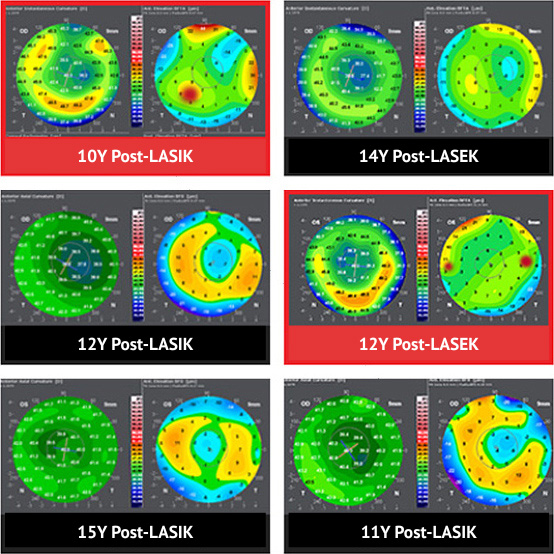
32%
(3,214 people)
Higher order aberrations occur in the area of vision correction.
Examination of the corneal topography in the area of vision correction revealed some myopic regression due to higher order aberrations of inaccurate laser irradiation and regenerative recovery.
Research Directions for Improving Miracle Vision Correction Surgery
Risk of vision loss and glare
Customized laser energy vision correction considering individual cornea and higher-order aberrations
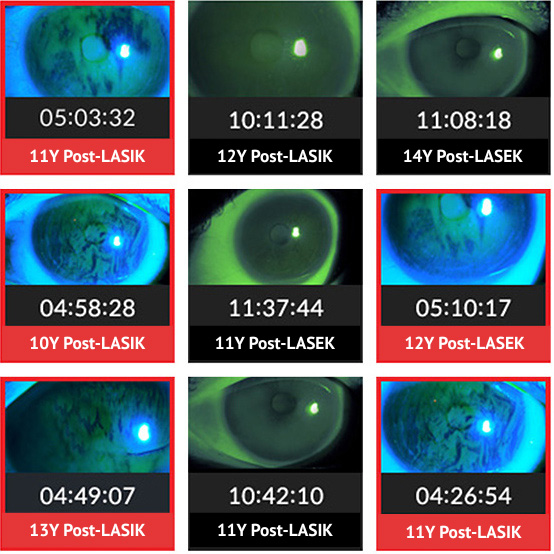
48%
(4,814 people)
Discovery of abnormal symptoms of dry eye syndrome.
If the tear film lasts for more than 10 seconds, it is considered normal, and if it lasts for less than 5 seconds, it is considered a symptom of dry eye. Dry eye was found in 48% of patients.
Research Directions for Improving Miracle Vision Correction Surgery
Risk of dry eye and eye irritation
Customized corneal epithelial incision and preservation of abundant neural tissue within the cornea
ONLY Miracle
Find the answer to vision correction that prevents side effects in advance at Miracle Smile.
Samsung Miracle SMILE Solution 01
Reduce corneal damage by 1/1,000 times with a low-irritation laser that penetrates the corneal epithelium.
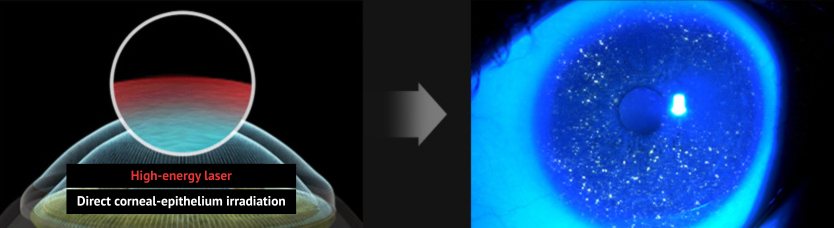
Conventional LASIK/LASEK
Risk of corneal opacity and dry eye after surgery due to damaged corneal surface
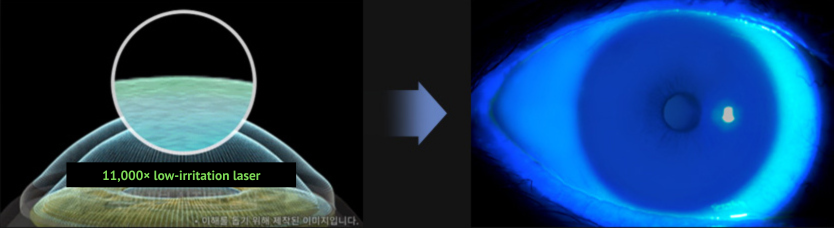
Samsung Miracle SMILE
Observation of a clean corneal surface even after surgery
Samsung Miracle SMILE Solution 02
Reduces corneal ablation rate during vision correction, preserving up to 60% more residual cornea.
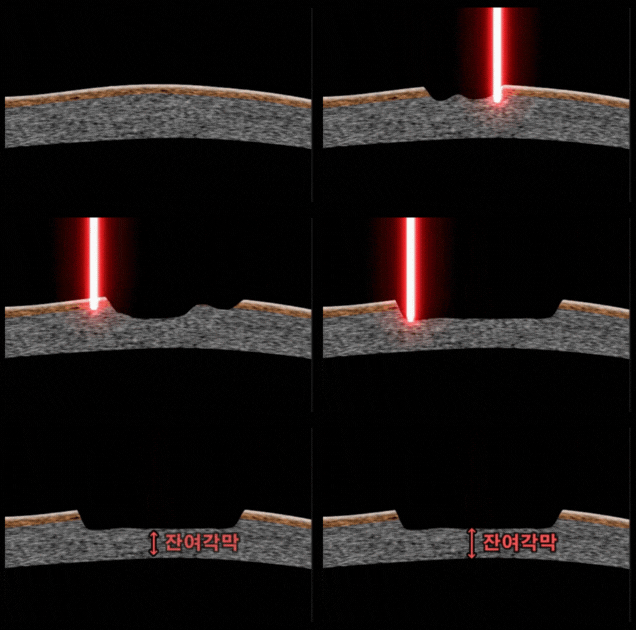
Conventional LASIK/LASEK

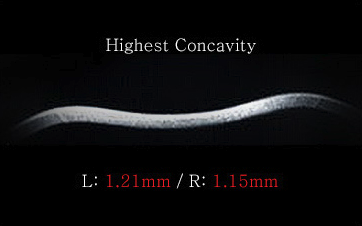
Corneal rigidity weakened by excessive cutting increases the risk of keratoconus and myopia progression.
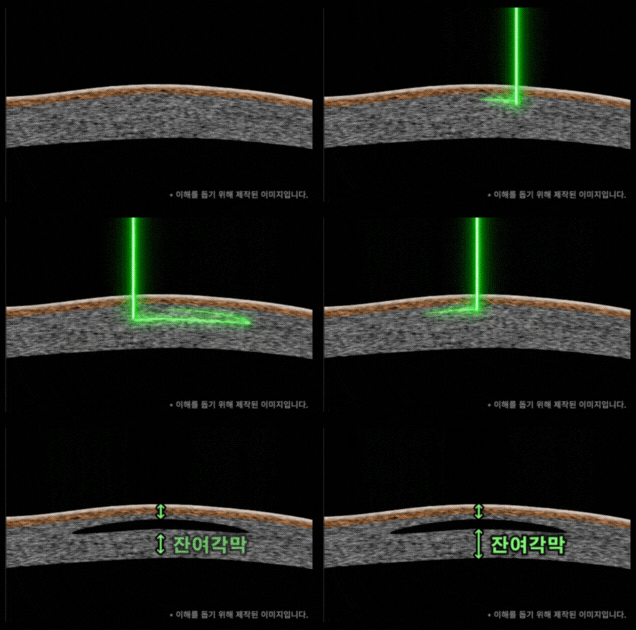
Samsung Miracle SMILE

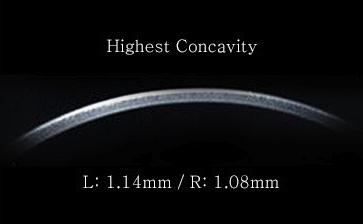
Maintain normal corneal rigidity by preserving as much residual cornea as possible.
Samsung Miracle SMILE Solution 03
Prevent myopia progression and maintain vision at 1.0 or higher with personalized laser adjustments.
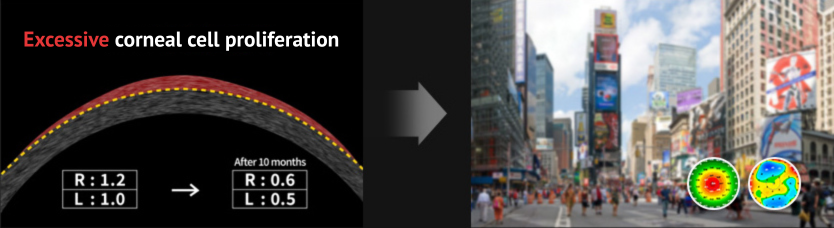
Conventional LASIK/LASEK
Risk of corneal surface damage after surgery: corneal haze and dry eye
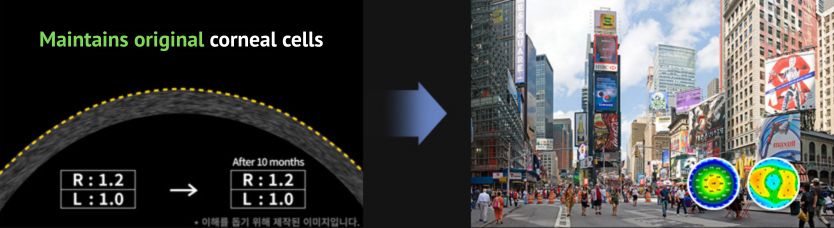
Samsung Miracle SMILE
Observation shows a clear corneal surface even after surgery
Samsung Miracle SMILE Solution 04
Reduce nerve tissue damage by 90% with an incision of less than 2 mm.
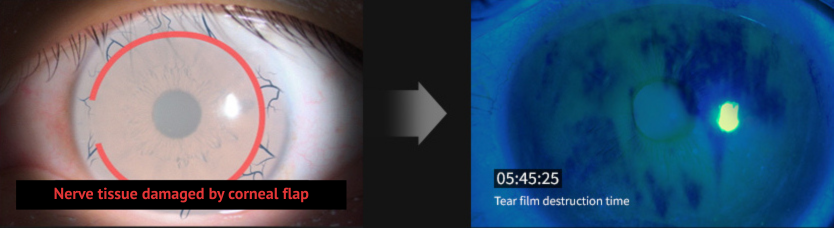
Conventional LASIK/LASEK
Damaged nerve tissue causes tears to evaporate quickly.
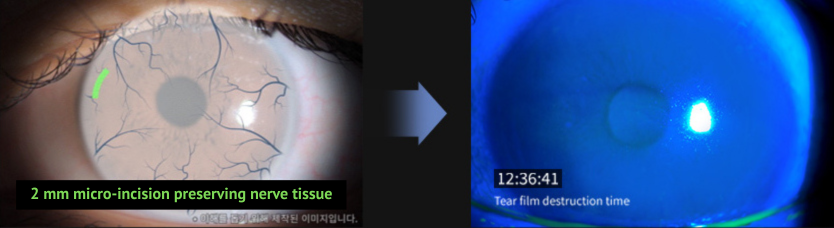
Miracle Smile
Maintaining a normal tear film by reducing corneal nerve tissue damage
Samsung Miracle Eye Clinic;
The only clinic in Korea that researches lifelong vision.

Miracle SMILE Laser Eye Surgery; personalized, lifetime vision correction
At Samsung Miracle, we conduct ongoing research to provide a higher level of medical service and continually acquire new surgical techniques with proven safety.
Want to protect your eyes?
Choosing Samsung Miracle Eye Clinic is a must.
- MIRACLE POINT 02
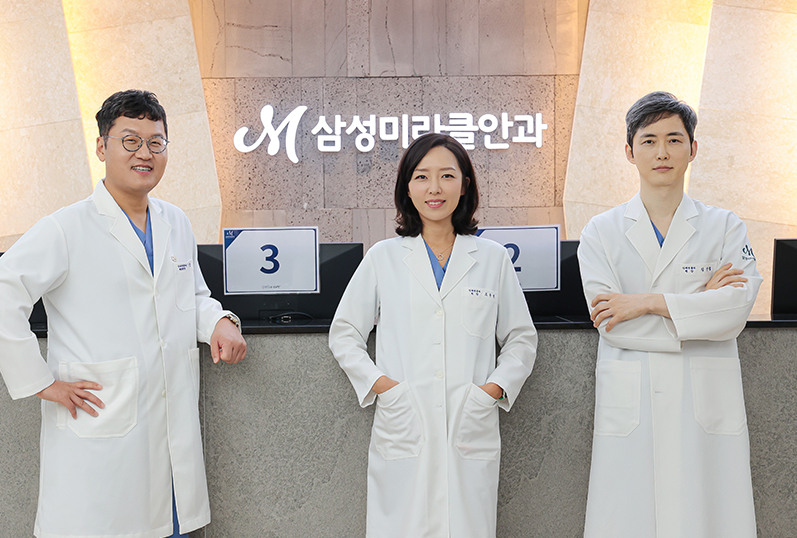
Personalized Solutions from University Hospital-trained Medical Staff.
Vision correction specialists from university hospitals collaborate to personally check and recheck each patient from surgery through to results.
- MIRACLE POINT 03
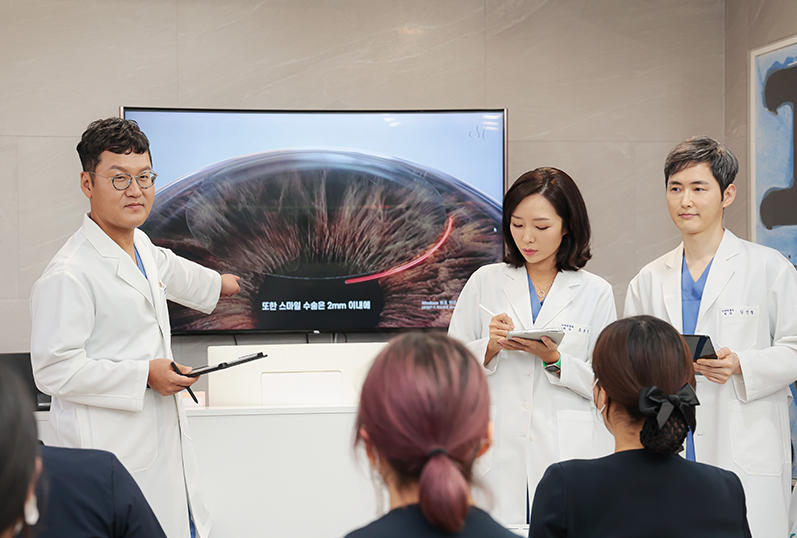
Our Medical Service; Continuous Development Through Research and Effort
Regular seminars and training are provided to both our Gangnam and Cheonan branches, ensuring high-quality medical services regardless of the branch.
- MIRACLE POINT 04
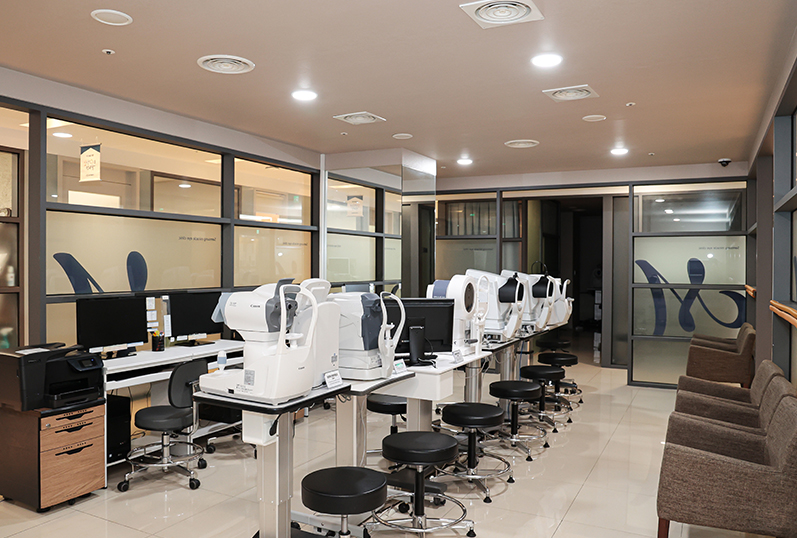
Safety First; Precise Examination with Authentic Equipment
To provide customers with the safest, most suitable treatment services, we conduct precise examinations using only authentic equipment.
SAMSUNG MIRACLE EYE CLINIC
Samsung Miracle Eye Clinic Lifetime Vision Care Program
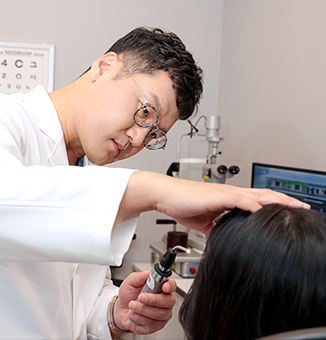
Recovery Checkup
1 Week Post-Surgery
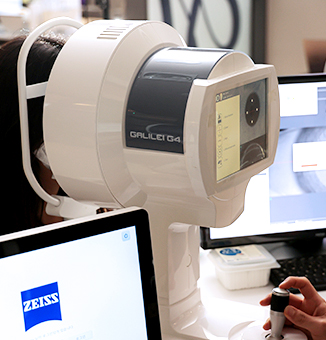
Intensive Vision Correction Care
1~3 months Post-Surgery
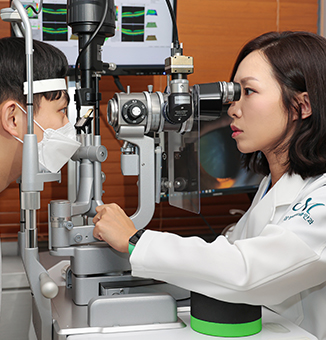
Regular Vision Care
Once a Year
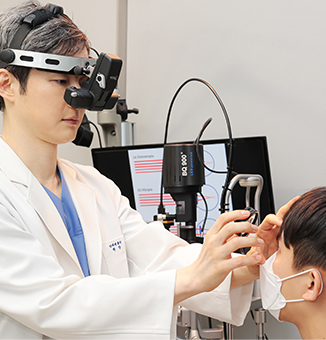
Lifelong Vision Care
After 15 years (Once a Year)
SAMSUNG MIRACLE EYE CLINIC
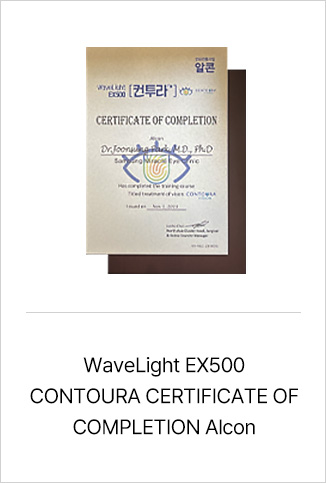
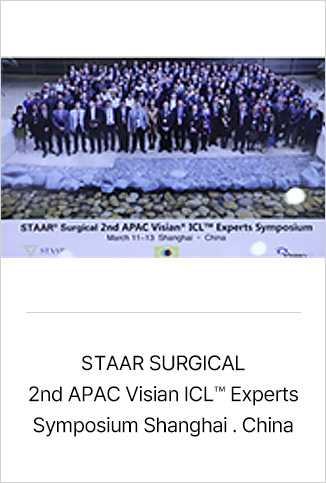
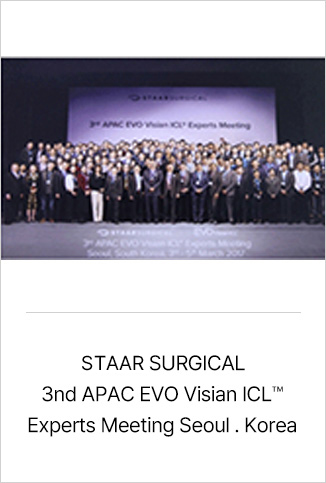
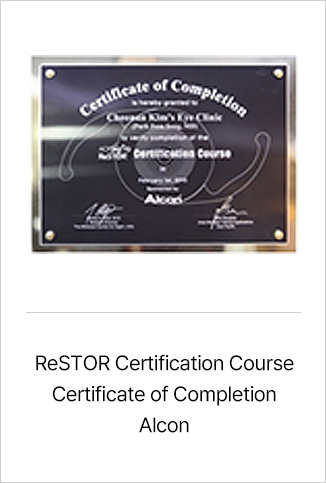
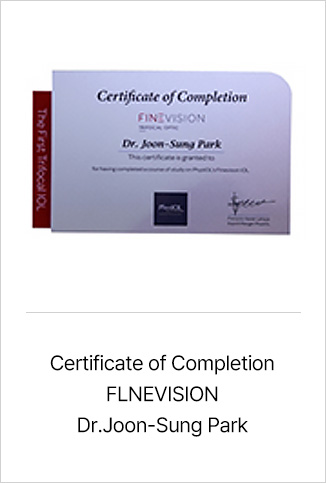
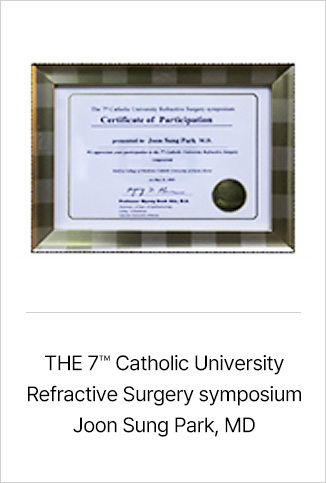
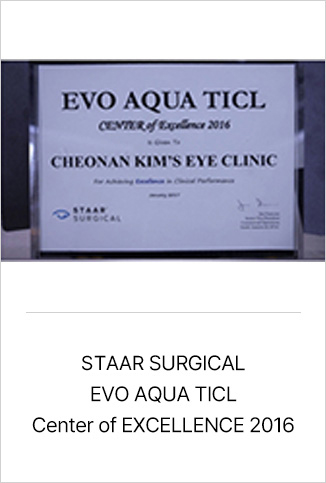
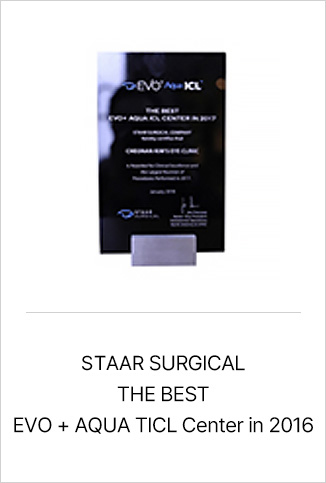
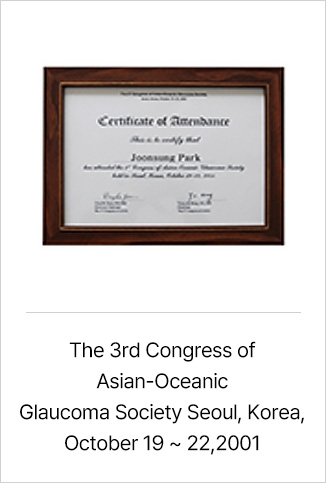
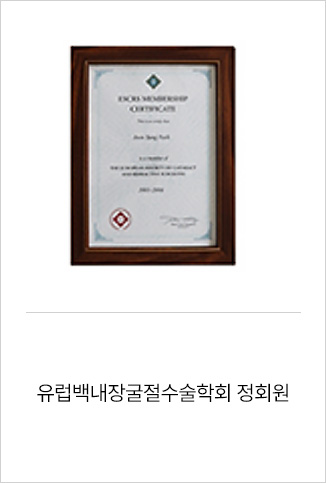
Technological Excellence, Unparalleled Experience










Frequently Asked Questions
What is the focus of Samsung Miracle Eye Clinic’s research on SMILE laser eye surgery?
Samsung Miracle Eye Clinic conducted an in-depth study of 10,000 first-generation LASIK/LASEK patients in South Korea to assess long-term visual quality and side effects. The research aimed to determine if it’s possible to maintain the same visual quality without side effects after laser vision correction surgery.
What were the key findings regarding visual acuity after LASIK/LASEK surgeries?
The study found that the average visual acuity for first-generation LASIK/LASEK patients was 1.1 immediately after surgery. However, myopia regression was observed, with a visual acuity decline of 11% at 5 years and 38% at 10 years, resulting in an average visual acuity of 0.7 at the time of the survey.
What common side effects were reported by patients after LASIK/LASEK surgeries?
The most common side effects reported by patients included dry eye (48%), glare (25%), and myopia regression (14%). These side effects have been observed to interfere with daily life for some patients.
What percentage of patients would choose SMILE laser eye surgery if they were to undergo vision correction again?
Among those who previously underwent LASIK/LASEK surgery, 68% chose SMILE when asked what type of vision correction they would want if they were to undergo the surgery again. This choice was based on the fact that SMILE is a vision correction surgery that reduces corneal damage.