
Implantable Collamer Lens (ICL) Surgery in Korea
Vision correction surgery without corneal shaving – official EVO+ ICL implantation.

Incision Range
3mm minimum incision

Treatment Duration
3 – 5 hours

Recovery Period
1 day (caution advised for one week)

Advantages
Reversible, fast recovery, UV protection, treats astigmatism
What is Implantable Collamer Lens Surgery?
Implantable Collamer Lens Surgery at Samsung Miracle Eye Clinic is a solution for simultaneous correction of myopia and astigmatism without needing to remove part of the cornea as with laser vision correction.
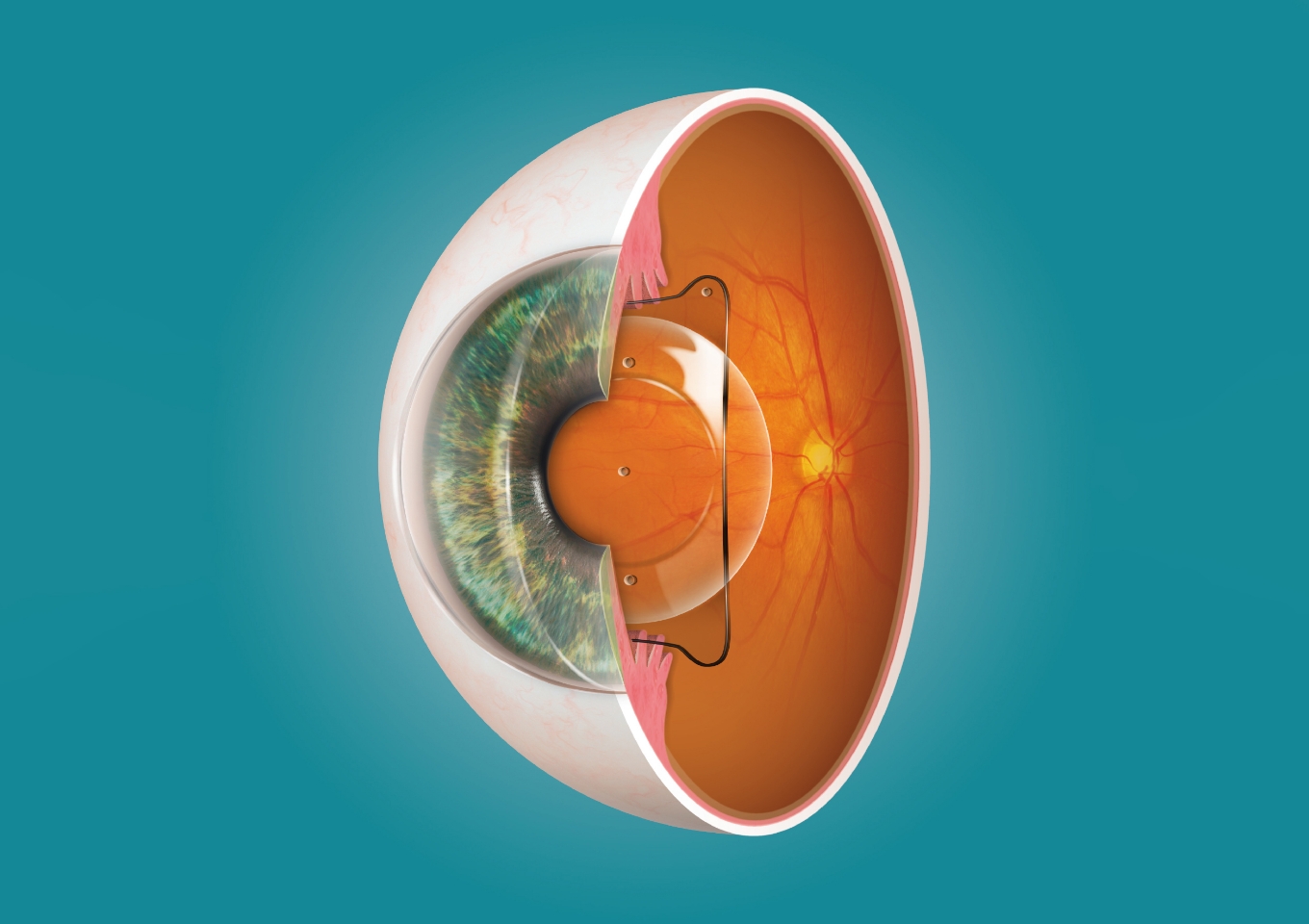
Implantable collamer lens (ICL) surgery is a vision correction surgery that inserts a lens inside the eye without cutting the cornea. Since the eyeball is preserved during the surgery, even patients with very thin corneas or severe refractive errors can undergo the surgery.

Advantages of ICL Surgery at Samsung Miracle

Reversible Vision Correction
Implantable Collamer Lens surgery does not change the shape of the cornea, meaning that surgery reversal, or changing of the lens in the future is entirely possible.

Low Pain, Quick Healing
The corneal incision for ICL implantation is small and made by a laser, and the cornea is not surgically changed, so there is practically zero downtime, and very little pain while healing.

Cost and Time-Effective
Our ICL Implantation only takes one day, including the thorough preliminary eye exam. In addition, our prices are extremely competitive, despite our use of authentic EVO+ ICL lenses.
We recommend Implantable Collamer Lens Surgery to those who:
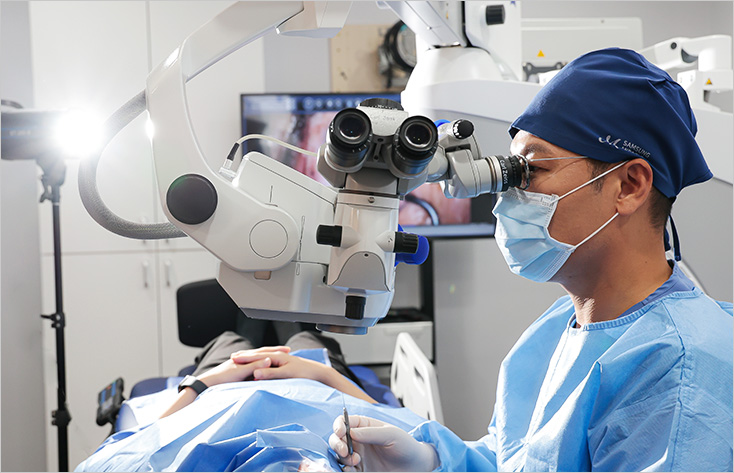
Why Choose Samsung Miracle for Your Vision Correction Surgery?
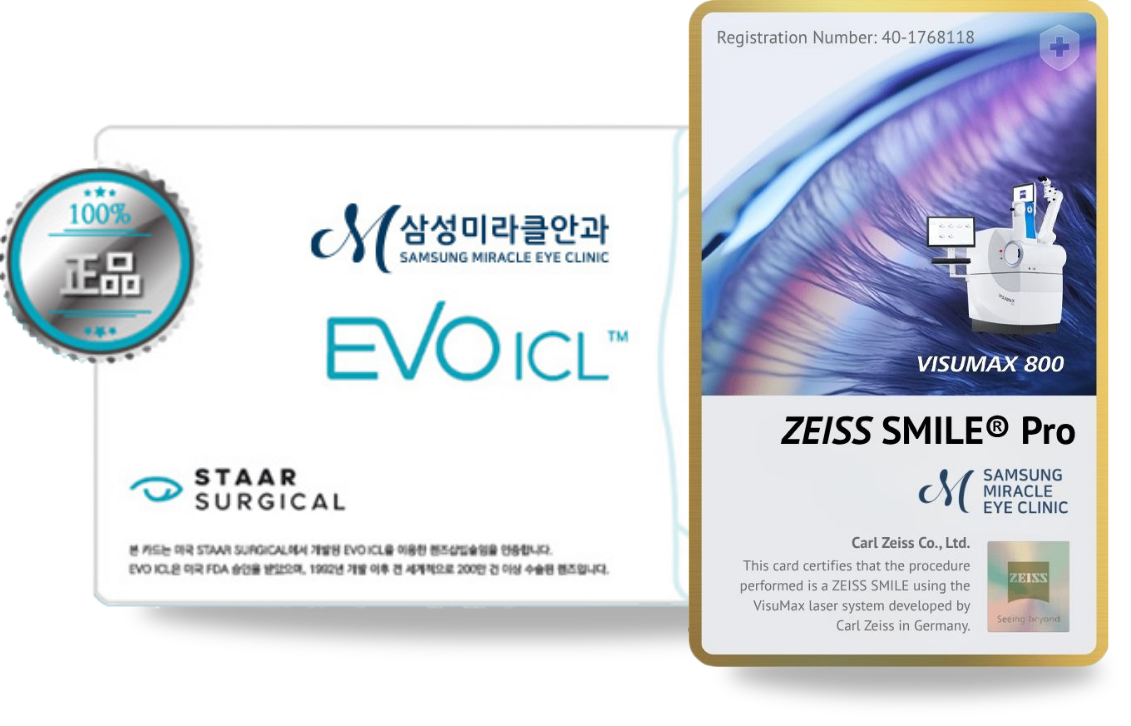
Authentic, Certified High Quality Treatment Provider
Samsung Miracle Eye Clinic is committed to performing safe, certified treatments. We are one of only 27 ZEISS Certified clinics in Korea, and are also one of only 13 STAAR Global Alliance Agreement clinics in Korea, making us official providers of the FDA-approved EVO+ ICL.
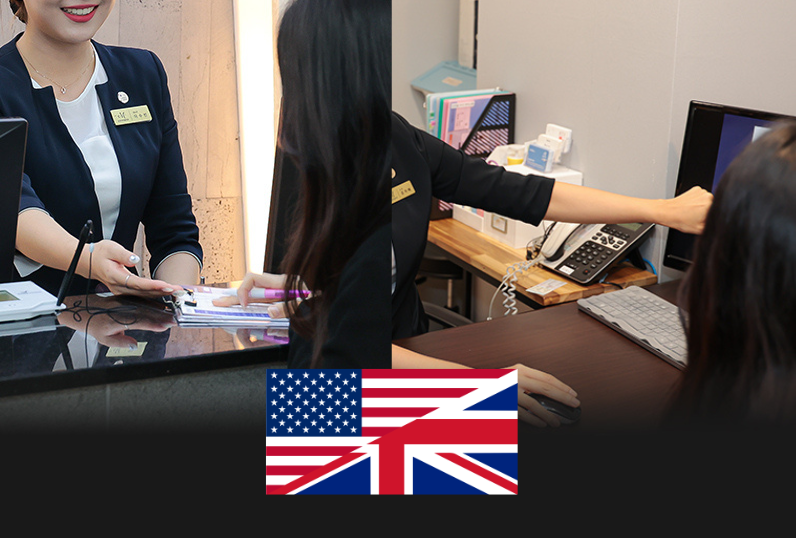
1:1 Care in English from Beginning to End
From your consultation to your post-operative checkup, your entire care journey at Samsung Miracle is delivered in English for comfort and ease of communication. To ensure responsibility, quality and safety, we assign designated staff members and a translator for the entirety of your treatment journey .
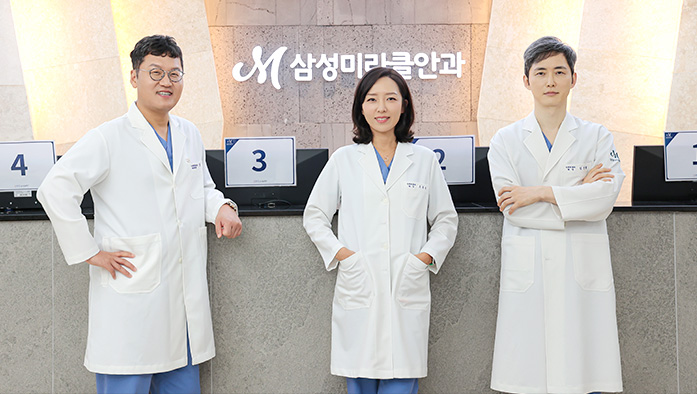
Ambidextrous Doctors & Continued Professional Development
Our vision correction-specialized doctors use their in-depth training and dual-handed skills to provide the highest-quality, most accurate courses of treatment to each and every patient, and ensure continuous professional development to all our staff in the form of regular seminars and training sessions.
Implantable Collamer Lens Surgery at Samsung Miracle
EVO ICL (Implantable Collamer Lens) surgery is a vision correction procedure that corrects near-sightedness and astigmatism by inserting a specially prescribed collamer lens inside the eye, placed behind the iris without cutting or removing any corneal tissue. Unlike laser-based procedures, the eyeball structure is fully preserved throughout the surgery, making it a suitable option for patients with thin corneas, severe refractive errors, or chronic dry eye. The procedure also offers the added benefit of reversibility, as the implanted lens can be removed if needed.
How is Implantable Collamer Lens Surgery Done?
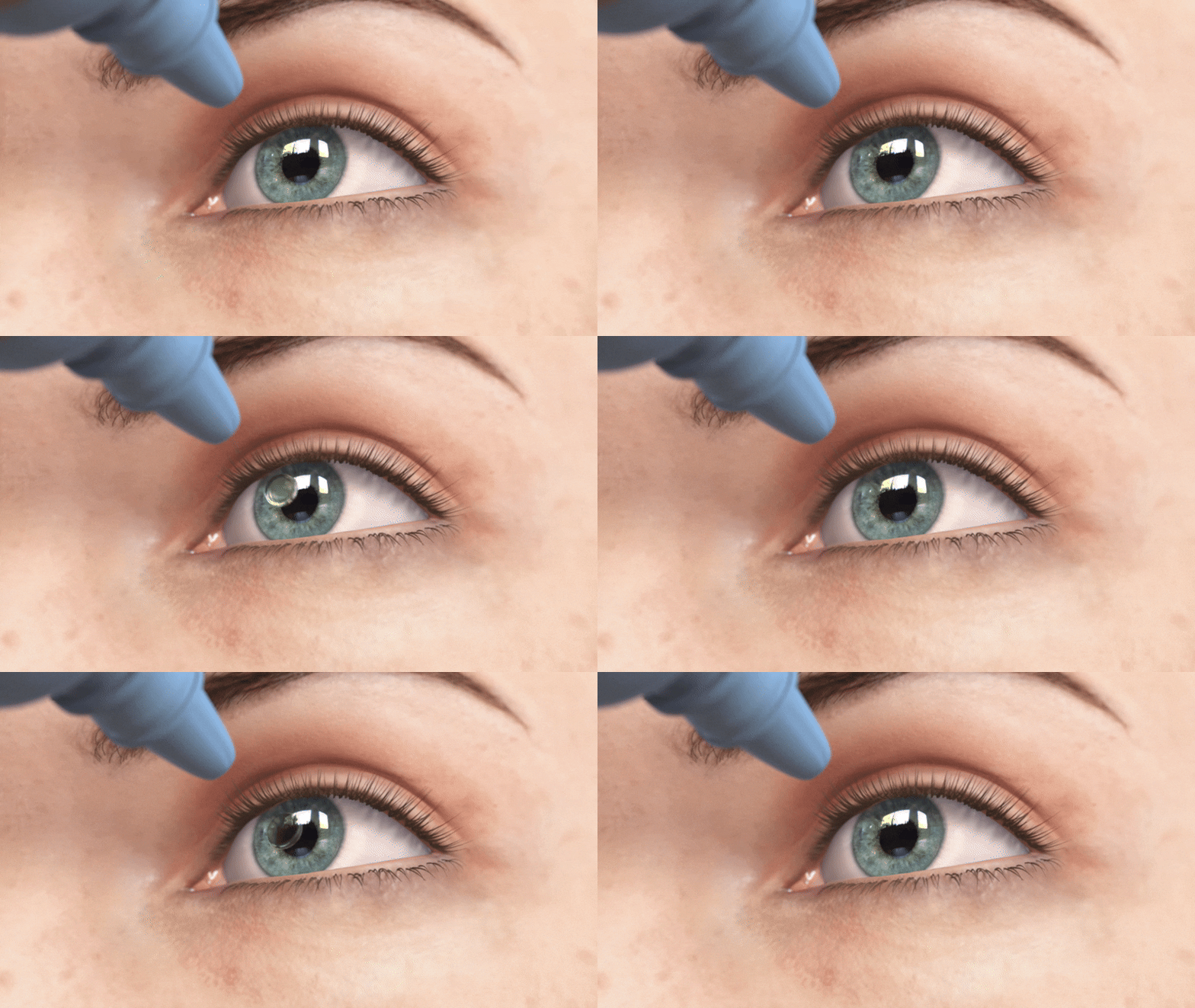
STEP 01
Mydriatic eye drops – eye drops that dilate the pupil – are administered.
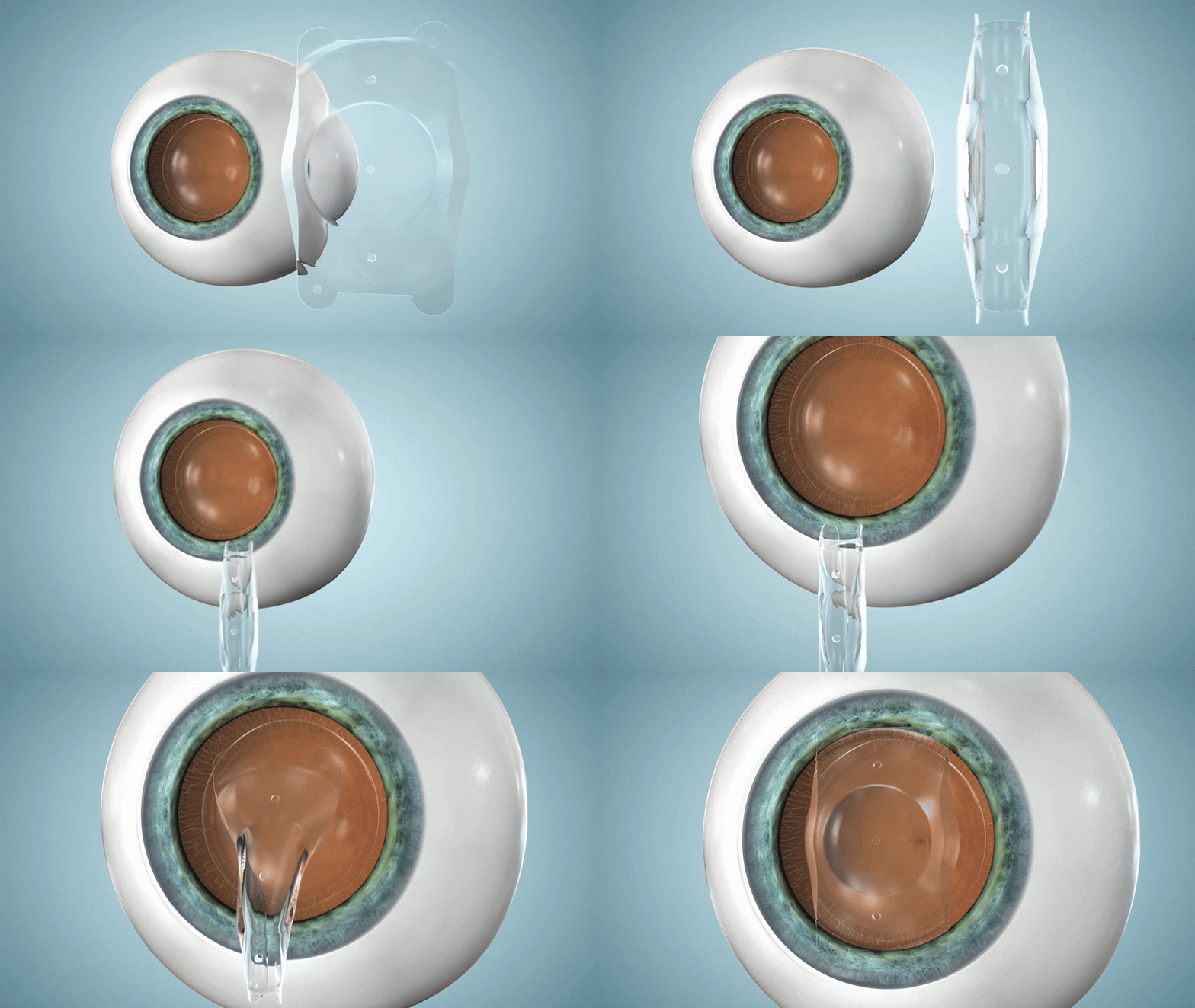
STEP 02
A small incision of about 3mm is made in the cornea, and the lens is inserted.
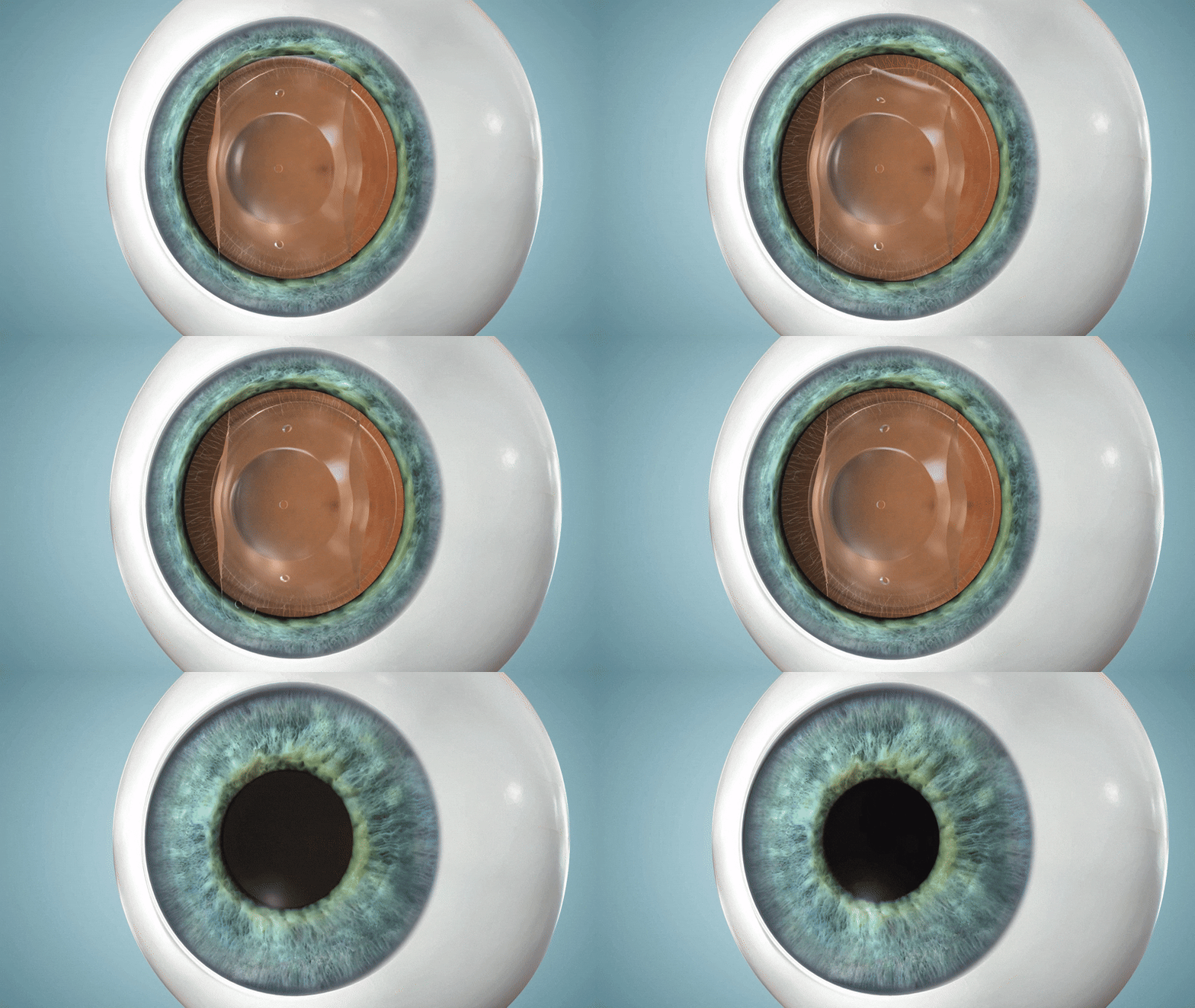
STEP 03
The lens is precisely positioned and secured between the iris and the natural lens.
Lens Implantation Completed in Under 2 Minutes
Samsung Miracle Standard Lens Implant
Samsung Miracle Astigmatism Correction Lens Implant
Treating Astigmatism with ICL
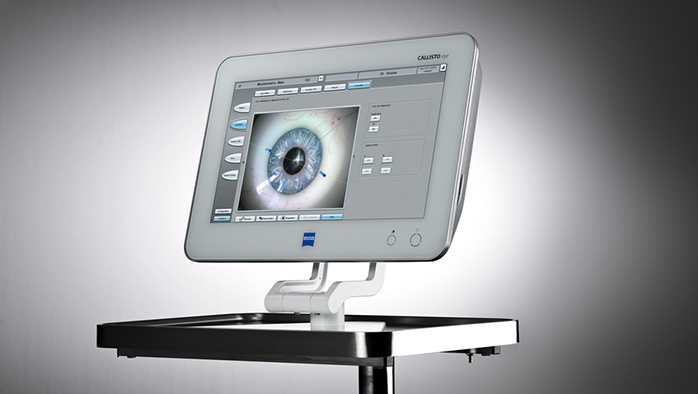
Callisto Eye X IOLMaster 700
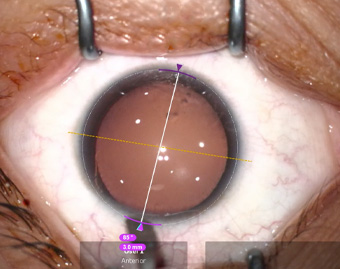
Samsung Miracle has a navigation-based astigmatism surgical device that tracks the eye in real time and provides guidelines to minimize errors. The IOLMaster 700 laser ophthalmometer used at our hospital, coupled with the Forum Network, a high-performance surgical microscope and LUMERA 700 image transmission device, enables precise anterior capsulorhexis incision and astigmatism correction during lens insertion.
Surgery Completed With Only Perfect Alignment
If the astigmatic axis is inserted with even a slight misalignment, vision will not be accurately corrected, causing dizziness and residual astigmatism. Samsung Miracle does not terminate the surgery if there is a misalignment. The surgery is completed only when the astigmatic axis is precisely aligned, without any error.
ICL Treatment Timeline
Unlike conventional intraocular lens implantation surgeries that only perform surgery on one eye in a single day, Samsung Miracle has designed a system that allows surgery on both eyes on the same day, reducing the inconvenience of having to visit the hospital again, and increasing satisfaction with the surgery by reducing the burden of the surgery, shortening the surgery time, and speeding up vision recovery.
1st visit
2nd visit
3rd visit
4th visit
Standard ICL Implantation
Examination and treatment, lens ordering
Primary monocular surgery
Secondary monocular surgery
Post-operative follow-up
At least 4 visits required, approx. one week
Samsung Miracle ICL Implantation
Examination and treatment, same-day bilateral surgery
Post-operative follow-up
–
–
Minimum of 2 visits, 2 days required
|
Standard ICL Implantation |
Samsung Miracle ICL Implantation |
|
|
1st visit |
Examination and treatment, lens ordering |
Examination and treatment, same-day bilateral surgery |
|
2nd visit |
Primary monocular surgery |
Post-operative follow-up |
|
3rd visit |
Secondary monocular surgery |
– |
|
4th visit |
Post-operative follow-up |
– |
|
At least 4 visits required, approx. one week |
Minimum of 2 visits, 2 days required |
Types of Implantable Collamer Lens
Here at Samsung Miracle Eye Clinic we offer two types of implantable collamer lens – those implanted in the posterior chamber, and those implanted in the anterior chamber.
Posterior chamber lens implantation is the standard method for lens implantation surgery, applicable for the majority of ICL patients, and involves the lens being placed behind the iris and in front of the natural (crystalline) lens.
However, in some cases, the natural shape of the eye or complications due to illness, physical trauma to the eye or prior surgeries may make posterior implantation impossible. In these cases, anterior chamber implantation can be performed instead, in which the lens is inserted directly into the cornea.
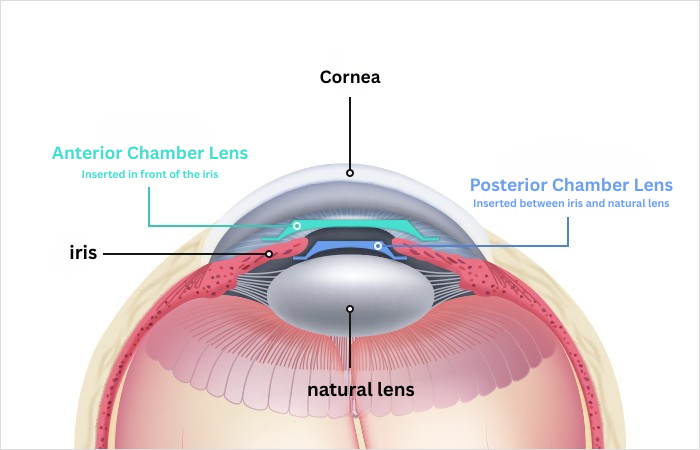
Anterior vs. Posterior Implantable Lens

|
Anterior Lens |
vs. |
Posterior Lens |
|
This is a method of implanting a lens directly into the iris, the toughest and strongest tissue in the human eye. |
Surgery Method |
This is a method that allows surgery on the same day as the examination because it does not require iridectomy as it is a lens implantation surgery that is inserted behind the iris . |
|
Yes |
Corneal Damage |
No |
|
Visible to the naked eye |
Visible? |
Invisible to the naked eye |
|
Since the lens is fixed to the iris, there is less chance of lens dislocation and less concern about astigmatism after surgery. |
Advantages |
The surgical site is small, so recovery is fast and it is safe from external impact. |
ICL Types Available at Samsung Miracle
Anterior Type
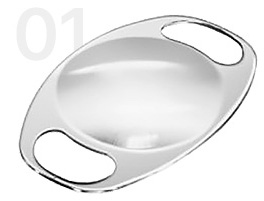
Artisan
Artisan is a rigid, thin lens that can correct myopia as high as -23 diopters. It is the oldest iris-fixated anterior chamber lens among implantable contact lenses, offering the widest range of correction.
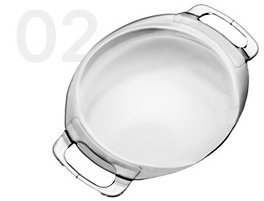
Altiplex
Compared to the Artisan, the Artiflex is made of a softer material, allowing for a smaller incision. It’s an anterior chamber lens that simultaneously corrects myopia and astigmatism, reducing the risk of cataracts and glaucoma.
Posterior Type
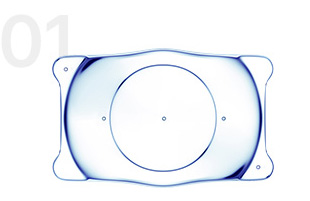
EVO+ ICL
The posterior lens is made of patented collamer material and has a 360μm hole at the center of the lens to prevent blockages caused by various appendages and residues inside the eye and to facilitate flow within the eye.
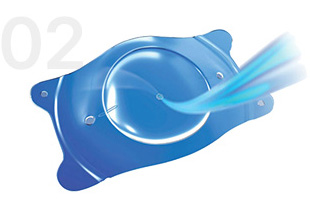
TORIC EVO+ ICL
Like EVO+ICL, it has the features of UV protection, reduced glare due to a wide optical area, and a low risk of dry eye, and can correct myopia (-0.50 to -18D) and astigmatism (-1D to -6D) with a single surgery.
Importance of Lens Type Selection
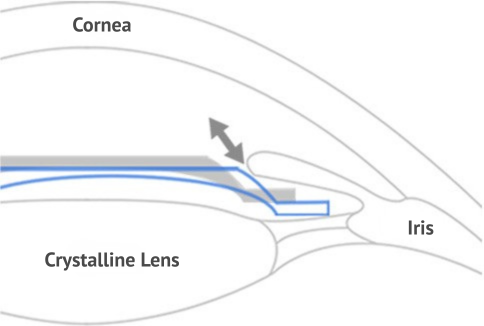
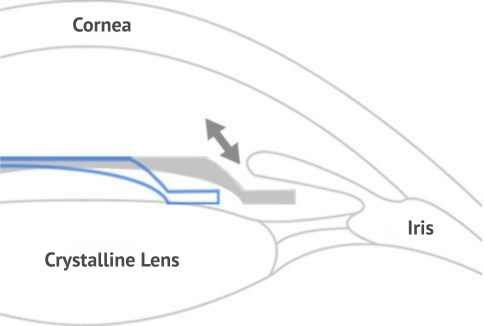
If the lens size is too large
Choosing a lens that is too large for the eye can cause the lens to shift forward after insertion, narrowing the gap between it and the endothelium.
This narrowing gap increases friction between the lens and the iris, which can block the aqueous humor drainage duct, causing aqueous humor to pool and increase intraocular pressure. If this occurs after surgery, it can cause pain and requires appropriate measures to lower intraocular pressure.
If the lens size is too small
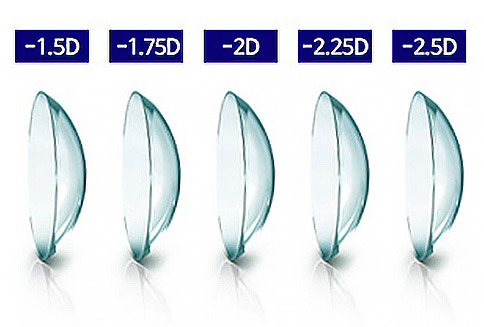
Choosing a lens that is too small for your eye will cause the lens to rub against the eye’s lens. This constant stimulation of the lens can cause it to become cloudy, increasing the risk of developing cataracts.
If the lens prescription is not correct
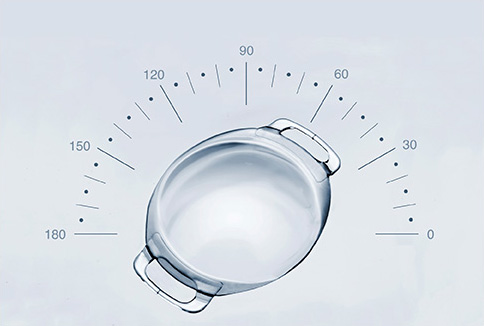
If the lens prescription is not correct, double vision and dizziness may occur. Finding the right corrective prescription and careful lens selection will increase post-operative satisfaction. Satisfaction is especially high when the astigmatism prescription is accurate.
If the type of lens is not appropriate
With so many different types of lenses available, satisfaction can vary significantly depending on the lens you choose. With this expanded range of options, choosing the right lens — one that offers not only safety but also superior visual quality — can lead to more comfortable and clearer vision after surgery.
EVO+ Certification & STARR Recognition for Safety and Quality
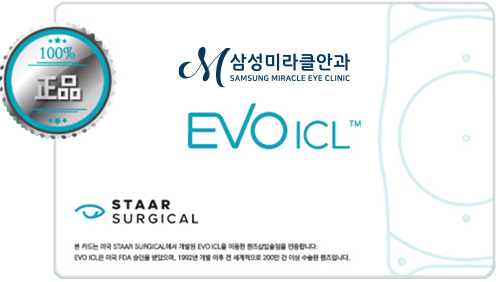
As a STAAR Surgical-certified ICL Reference Doctor clinic — a distinction awarded to surgeons based on exceptional surgical outcomes and technical proficiency — Samsung Miracle Eye Clinic has been performing ICL implantation since 2005, with a total of over 10,000 procedures completed to date. All ICL surgeries are performed directly by an ICL Reference Doctor, supported by more than 60 detailed pre-operative examinations across 15 stages, and each patient receives an EVO ICL Certification Card verifying the use of genuine EVO ICL technology developed by STAAR Surgical.
One-Day Treatment at Samsung Miracle
Samsung Miracle Eye Clinic’s eye examination and vision correction process is optimized for people on short schedules. Whether you’re seeking a vision correction solution on vacation, or simply a busy person, our incredibly thorough examination process and your chosen vision correction surgery can be performed in the same day, with a short follow-up examination recommended the following day.
How Do Our Laser Vision Correction Options Compare?
Correction of corneal stroma without removing the corneal surface
Less pain, less dry eye, faster recovery, minimal tear film nerve damage, and resistance to external impact
High cost compared to LASIK and LASEK. Surgery is not possible if the cornea is thin.
A thin flap is created in the corneal epithelium, the flap is opened, and a laser is irradiated to the corneal stroma.
Less pain, better vision the day after surgery
If the cornea is thinner than the standard thickness, surgery is not possible and it is vulnerable to external impact.
Only the corneal epithelium, which can be naturally regenerated, is removed and the laser is irradiated to the corneal stroma.
Minimizes side effects, reduces dry eye, and is resistant to external impact.
Pain compared to LASIK, requires management until corneal epithelial regeneration
Inserting a lens of a certain degree into the iris while preserving the retina
Fast recovery, reduced glare and dry eye, reduced myopia progression, and possible return to original condition
Compared to LASIK and LASEK, if the lens size is not right, re-surgery is necessary.
What Do Our Patients Say?
 Samsung Miracle Eye Clinic Gangnam Branch
Gangnam District, Teheran-ro, 115 7층, 14층
-
This is an amazing clinic for vision correction surgery! I flew in for the week … More to have ICL to correct my terrible vision. I had extremely high myopia and the surgery was quick painless and very fast. Jacob helped me throughout and spoke fluent English. He was extremely helpful throughout the entire procedure and made me feel comfortable and relaxed. Dr. Cho is extremely skilled and quick. It was an amazing experience and my vision is perfect now with no side effects. I could not ask for a better experience. Thank you!
-
My brother who is an optometrist in the US recommended me look into EVO ICL procedure … More due to the fact I am not a candidate for LASIK. I chose Samsung Miracle Eye Clinic as one of only 13 STAAR Surgical Reference Doctor Clinics. I came in at 10 am and by 12:30 pm I had started my procedure ! I went out that evening and could see everything quite clearly.
Thanks so much to the clinic for their incredible work, everything exceeded my expectations. -
The best place and absolutely highly recommended clinic at Gangnam for vision correction. … More I did the SMILE Pro surgery by Dr Kim. Prices are foreigner friendly too. Super reasonable for brand new eyes and no “foreigner prices”. Booking was also surprisingly easy! Not very long wait time.
Special mention to Jacob - the international operations manager - assisted me throughout my consultation and ensured I have no worries prior to surgery. What I love about this place is there was no pressure to perform operation because we were honestly advised whether we are suitable for the surgery. I went through detailed checks for my eye health to ensure I’m suitable for SMILE Pro surgery. I chose Pro just for shorter operation time, but after going through it, I think even SMILE on its own is very reassuring.
My surgery was completed within 30 minutes from eye checks (maybe even less) consultation to operation and post op check. Surgery was just 1-2 minutes each eye.. it was surprising!
Recovery - I recovered within the day. Post surgery downtime was 4 hours - you will feel very spicy eyes once the anaesthesia wears off. It was very uncomfortable for me as I’m not very good at the tolerating cut onions anyway, so that made sense with my pain tolerance. I was just amazed that when we were adviced that it will hurt for 4 hours and that was exactly the down time I had.
Immediately after 4 hours, I’ve recovered. Sometimes I think they did some magical spell on me and gave me back my vision.
Again, Highly recommended! Honestly, no complaints at all. I’m back in Australia now with 20/20 vision, no dry eyes or vertigo.
Thank you again Dr Kim, Jacob, and all the team at Samsung Miracle Eye Clinic. (Oh! Coffee was amazing too 🤣) -
I had SMILE Pro surgery at Samsung Miracle Eye Clinic, and the experience was amazing. … More The staff were very professional and friendly, and the whole process was quick and comfortable. My vision is now perfect, and I had no pain or dryness after recovery. Highly recommend this clinic to anyone considering vision correction!


Our Process for International Patients
Get your ICL Quote Now!
Why Us For International Patients?

Highest Quality, Smarter Price
Get the highest quality for less, with transparent pricing you can check before you book.

Safe ICL: A Reversible Vision Correction Option
ICL provides long-term vision correction with a removable lens.

English Care From Start to Finish
Feel confident at every step with a dedicated English-speaking team for consultation, surgery, and aftercare.

Get ICL in 1 Day, Enjoy Korea the Next
Complete your exam and surgery in one visit, with a streamlined system designed for international patients.
Frequently Asked Questions
What is Implantable Collamer Lens (ICL) surgery?
Implantable Collamer Lens (ICL) surgery is a vision correction procedure that improves eyesight by inserting a specially prescribed collamer lens inside the eye. It corrects refractive errors without shaving or removing corneal tissue, and the lens is placed behind the iris while preserving the eye’s structure.
What vision issues can EVO ICL correct?
EVO ICL is used to correct near-sightedness (myopia) and astigmatism by placing a prescribed lens inside the eye behind the iris, without cutting or removing corneal tissue.
How is ICL different from laser vision correction like SMILE, LASIK, or LASEK?
ICL corrects vision by inserting a lens inside the eye, rather than reshaping the cornea with a laser. It’s described as having fast recovery, reduced glare and dry eye, reduced myopia progression, and the possibility to return to the original condition; however, if the lens size is not right, re-surgery may be necessary.
Is ICL vision correction reversible?
Yes. Because ICL does not change the shape of the cornea, the implanted lens can be removed or changed in the future if needed.
How is ICL surgery done?
The procedure is performed in three steps: (1) mydriatic eye drops are administered to dilate the pupil, (2) a small incision of about 3mm is made in the cornea and the lens is inserted, and (3) the lens is precisely positioned and secured between the iris and the natural lens. Lens implantation is completed in under 2 minutes.
How long does ICL treatment take, and what is the recovery period?
The incision is a minimum of 3mm, and the overall treatment duration takes 3–5 hours. The recovery period is just 1 day, with caution advised for one week.
Who is ICL surgery recommended for?
ICL surgery is recommended for people who need revision surgery due to myopia regression after LASIK/LASEK, those with very severe myopia or astigmatism, those with thin corneas, severe dry eye, a wound or disease on the cornea, or low endothelial cells.
Can ICL treat astigmatism, and why does alignment matter?
Yes, ICL can treat astigmatism, but alignment is critical. If the astigmatic axis is inserted with even slight misalignment, vision may not be accurately corrected and this can cause dizziness and residual astigmatism. Astigmatism correction is supported by navigation-based technology that tracks the eye in real time and provides guidelines to minimize errors, including use of the IOLMaster 700 laser ophthalmometer with the Forum Network, a high-performance surgical microscope, and the LUMERA 700 image transmission device.
What are the main types of implantable collamer lenses, and where are they placed?
There are two main types: posterior chamber lenses and anterior chamber lenses. Posterior chamber lens implantation is the standard method for most patients, placing the lens behind the iris and in front of the natural (crystalline) lens. In cases where posterior implantation is not possible due to the eye’s natural shape or complications (including illness, physical trauma, or prior surgeries), anterior chamber implantation is an alternative, with the lens inserted directly into the cornea.
What are EVO+ ICL and TORIC EVO+ ICL?
EVO+ ICL is a posterior lens made of patented collamer material with a 360μm hole at the center to help prevent blockages and facilitate flow within the eye. TORIC EVO+ ICL provides UV protection, reduced glare due to a wide optical area, and a low risk of dry eye, and it can correct myopia from -0.50 to -18D and astigmatism from -1D to -6D with a single surgery.
Why is choosing the correct lens size and prescription so important?
Choosing the correct lens size and prescription is important for both comfort and safety. If the lens size is too large, it may shift forward, narrow the gap to the endothelium, increase friction with the iris, block the aqueous humor drainage duct, and raise intraocular pressure—this can cause pain and may require measures to lower intraocular pressure. If the lens size is too small, it may rub against the eye’s lens and increase the risk of cataracts. If the prescription is not correct, double vision and dizziness may occur.
How many visits are needed for ICL, and can both eyes be done on the same day?
A standard approach requires at least 4 visits over approximately one week (exam and lens ordering, primary monocular surgery, secondary monocular surgery, and post-operative follow-up). Our streamlined approach allows same-day bilateral surgery after examination and treatment, with a post-operative follow-up, for a minimum of 2 visits over 2 days.