
LASEK Eye Surgery in Korea
All-Laser LASEK Vision Correction

Incision Range
No incision or scraping – all-laser procedure

Treatment Duration
2 – 2.5 hours

Recovery Period
1 month

Advantages
Fast recovery, minimal pain and corneal opacity
What is LASEK Eye Surgery?
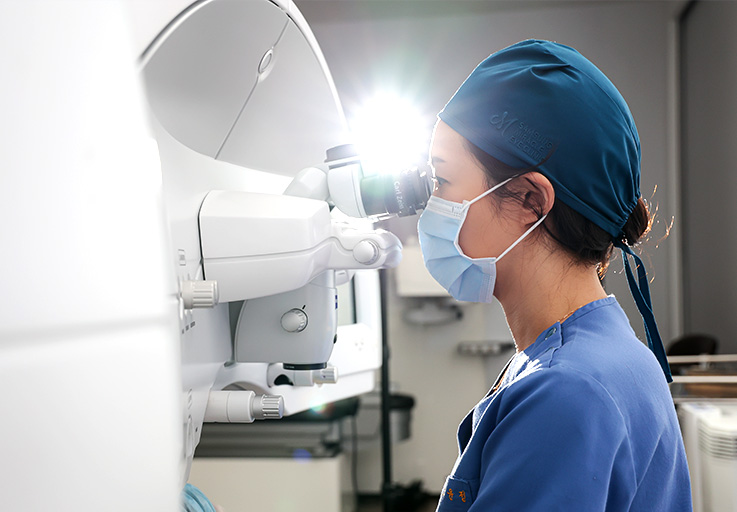
LASEK Eye Surgery at Samsung Miracle Eye Clinic, performed by highly-experienced, ambidextrous surgeons, is an effective all-laser laser vision correction procedure. Here at Samsung Miracle.
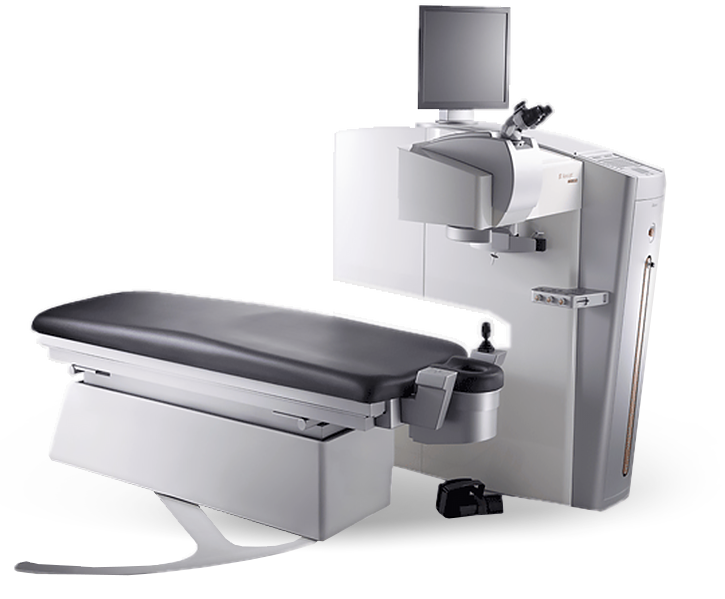
With no blades or scraping utensils involved, Samsung Miracle Eye Clinic’s copious experience, and the use of official ZEISS VisuMax equipment, LASIK eye surgery at Samsung Miracle Eye Clinic is the ideal solution for people looking for clear vision, fast healing, and guaranteed results. It is especially effective for people with high myopia or astigmatism, and is the safest laser vision correction surgical option for people who are not eligible for SMILE or LASIK.
Advantages of LASEK at Samsung Miracle

No Scalpels or Scraping Devices
LASEK at Samsung Miracle is performed with a femtosecond laser, enabling high-precision treatment and guaranteed results.

Low Pain, Quick Healing
Thanks to our use of only lasers to perform LASEK, the healing process is shortened compared to standard LASEK, ideal for international patients traveling in Korea.

Low Risk of Side Effects
All-Laser LASEK with our world-class technology ensures that sides effects such as corneal opacity complications are reduced, and the eye’s resistance to external shocks is increased.
We recommend LASEK Eye Surgery to those who:
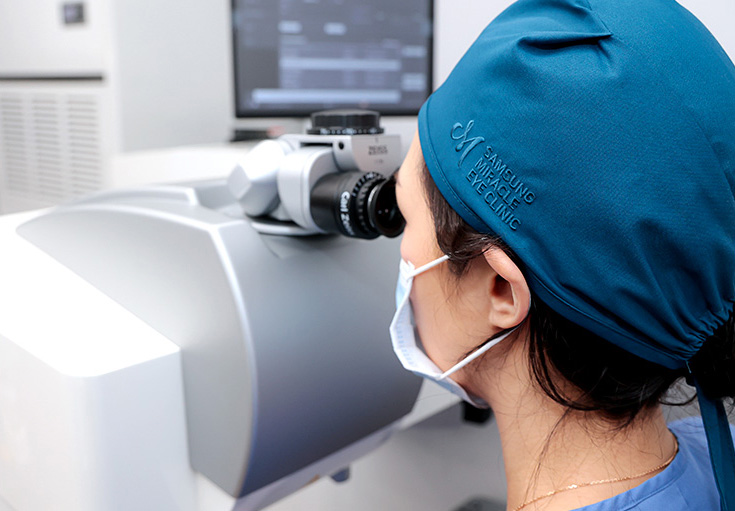
Please note: We do not usually recommend LASEK eye surgery to international patients who are staying only a short time in Korea as the healing process is longer, and so post-procedure checkups are spaced out accordingly.
Why Choose Samsung Miracle for Your Vision Correction Surgery?
Authentic, Certified High Quality Treatment Provider
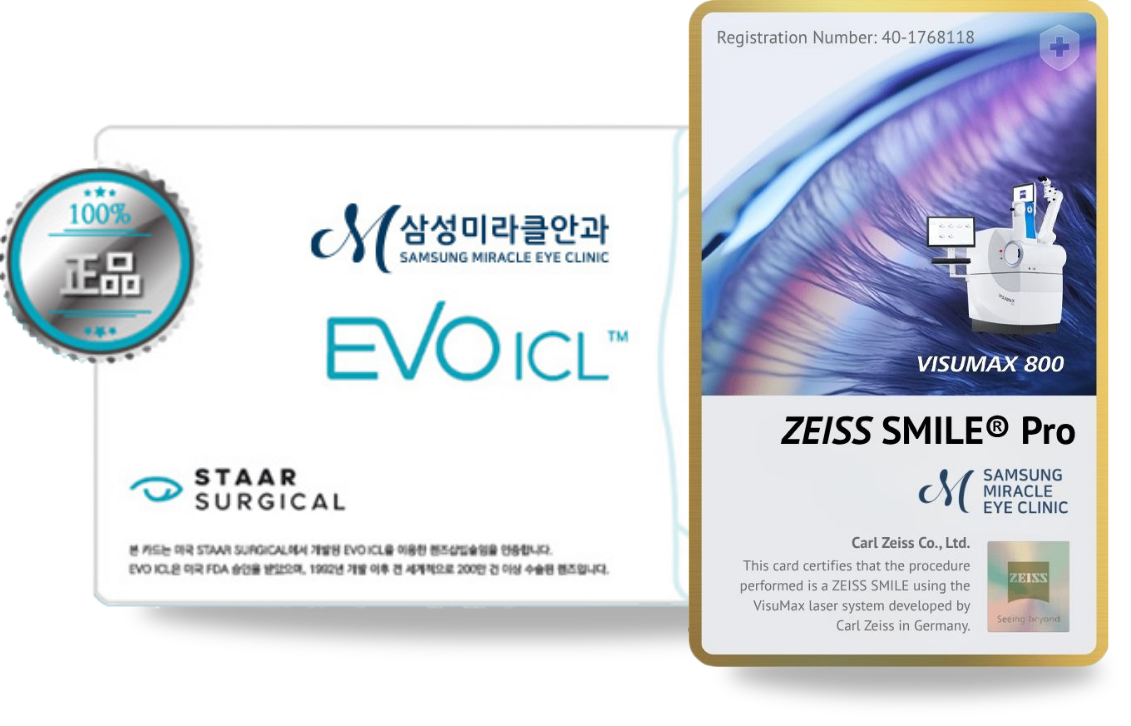
Samsung Miracle Eye Clinic is committed to performing safe, certified treatments. We are one of only 27 ZEISS Certified clinics in Korea, and are also one of only 13 STAAR Global Alliance Agreement clinics in Korea, making us official providers of the FDA-approved EVO+ ICL.
1:1 Care in English from Beginning to End
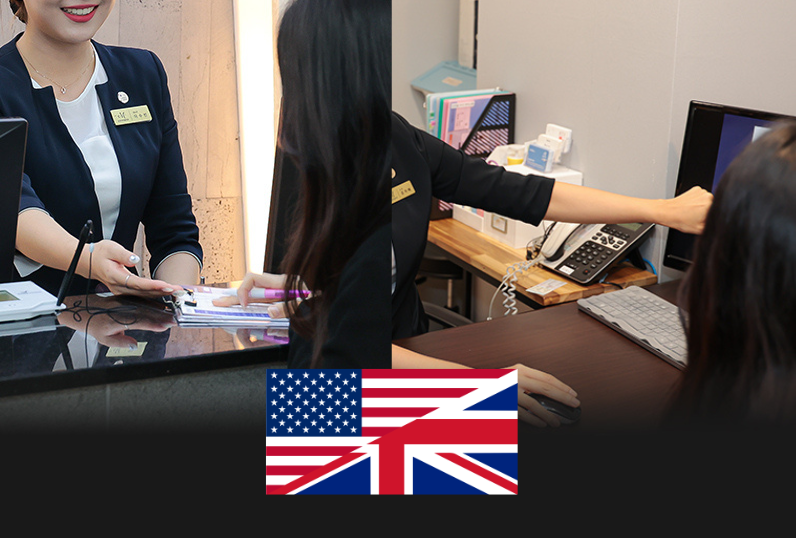
From your consultation to your post-operative checkup, your entire care journey at Samsung Miracle is delivered in English for comfort and ease of communication. To ensure responsibility, quality and safety, we assign designated staff members and a translator for the entirety of your treatment journey .
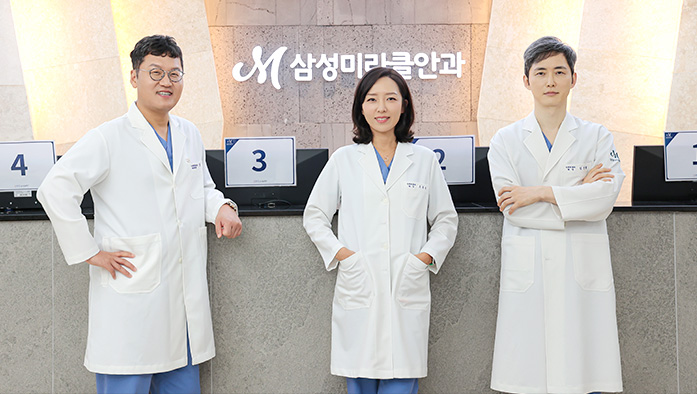
Ambidextrous Doctors & Continued Professional Development
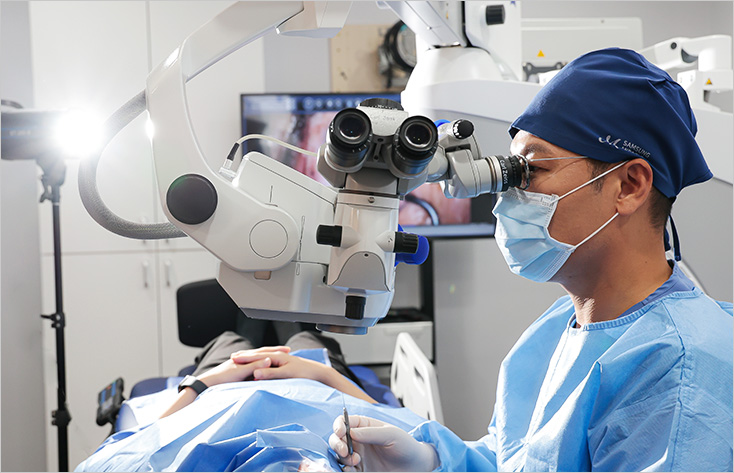
Our vision correction-specialized doctors use their in-depth training and dual-handed skills to provide the highest-quality, most accurate courses of treatment to each and every patient, and ensure continuous professional development to all our staff in the form of regular seminars and training sessions.
LASEK Eye Surgery at Samsung Miracle
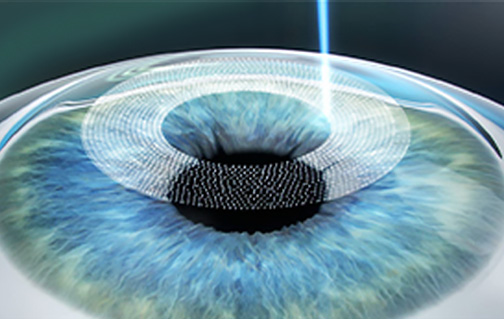
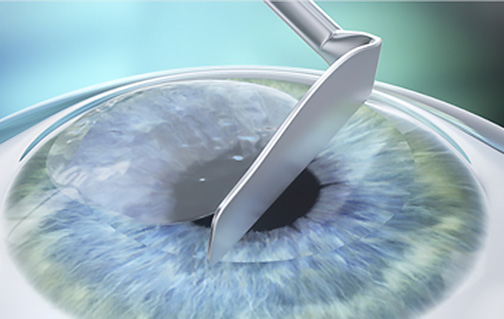
LASEK Eye Surgery at Samsung Miracle is a surgical vision correction procedure, also known as bladeless LASEK or Femto-LASEK due to our use of only lasers throughout the surgical process. During the procedure the corneal epithelium (surface of the cornea) is removed using a laser, and the corneal stroma (the thickest layer of the cornea) is then irradiated with a laser, after which the eye is covered with a protective lens.
We utilize the EX500 laser system, optimized for correcting high myopia and astigmatism, with the addition of StreamLight all-laser mode. This upgraded technology allows both epithelial removal and stromal ablation to be performed in a single step.

Our LASEK Eye Surgery Options
All-Laser LASEK
Regular LASEK
|
Removal of corneal epithelium using a laser |
Surgical method |
Removal of corneal epithelium using alcohol and a brush |
|
2-3 days |
Initial Recovery |
5-6 days |
|
2-3 days |
Postoperative Pain |
3-4 days |
|
Very minimal |
Dry Eye Symptoms |
Mild |
|
Almost none |
Corneal Haze |
May occur in some patients |
|
Very uniform |
Uniformity of Corneal Epithelium |
Moderate uniformity |
|
2-3 days |
Corneal Epithelium Regeneration |
4-5 days |
One-Day Treatment at Samsung Miracle
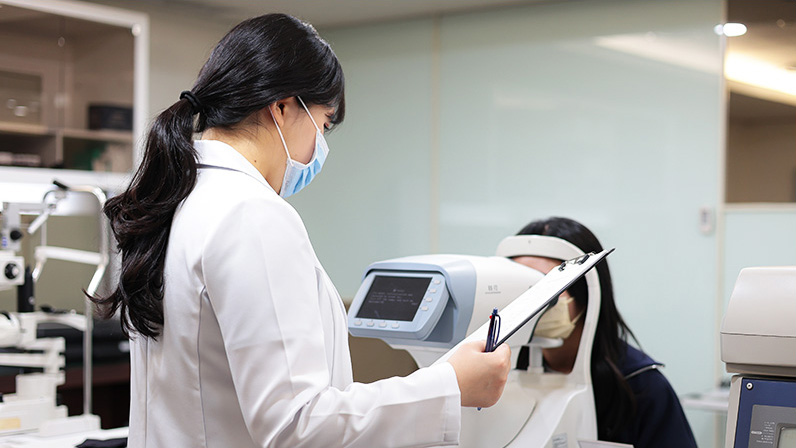
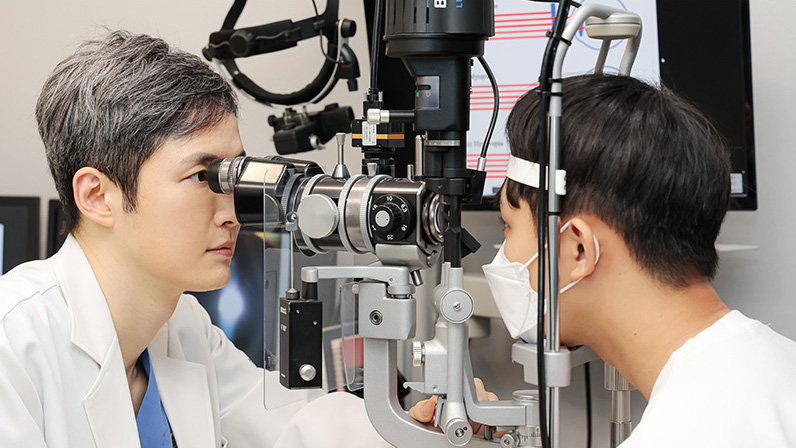
Samsung Miracle Eye Clinic’s eye examination and vision correction process is optimized for people on short schedules. Whether you’re seeking a vision correction solution on vacation, or simply a busy person, our incredibly thorough examination process and your chosen vision correction surgery can be performed in the same day, with a short follow-up examination recommended the following day.
How Do Our Laser Vision Correction Options Compare?
Correction of corneal stroma without removing the corneal surface
Less pain, less dry eye, faster recovery, minimal tear film nerve damage, and resistance to external impact
High cost compared to LASIK and LASEK. Surgery is not possible if the cornea is thin.
A thin flap is created in the corneal epithelium, the flap is opened, and a laser is irradiated to the corneal stroma.
Less pain, better vision the day after surgery
If the cornea is thinner than the standard thickness, surgery is not possible and it is vulnerable to external impact.
Only the corneal epithelium, which can be naturally regenerated, is removed and the laser is irradiated to the corneal stroma.
Minimizes side effects, reduces dry eye, and is resistant to external impact.
Pain compared to LASIK, requires management until corneal epithelial regeneration
Inserting a lens of a certain degree into the iris while preserving the retina
Fast recovery, reduced glare and dry eye, reduced myopia progression, and possible return to original condition
Compared to LASIK and LASEK, if the lens size is not right, re-surgery is necessary.
What Do Our Patients Say?
 Samsung Miracle Eye Clinic Gangnam Branch
Gangnam District, Teheran-ro, 115 7층, 14층
- I had SMILE Pro laser vision correction at Miracle Eye Center in Seoul, and I’m extremely … More happy with my experience.
I had been afraid of laser eye surgery for many years, so I was honestly very nervous before the procedure. But the doctors and the whole team were incredibly professional, calm, and supportive. They explained everything clearly, answered all my questions, and helped me understand every step of the process, which made me feel much more comfortable.
The surgery itself was surprisingly quick and completely painless. I couldn’t believe how fast it was over.
My recovery was also much easier than I expected. I only had some mild discomfort on the first day, and by the next day I already felt great. There was no real pain, and I could quickly return to my normal daily routine.
Now my vision is amazing, and I’m so happy I finally decided to do it. The clinic is modern, the equipment is advanced, and the whole experience felt very professional and well organized.
Thank you so much to the doctors and the entire Miracle Eye Center team for taking such good care of me. I would definitely recommend this clinic to anyone considering SMILE Pro in Seoul. - An Absolute Miracle – Look No Further for Eye Care!
Our son recently underwent SMILE … More eye surgery at the Samsung Miracle Eye Center in Gangnam, and the entire experience was flawless.
Why We Highly Recommend Them:
World-Class Medical Team: The doctor is a highly skilled surgeon at the absolute top of his field, executing the procedure with incredible precision.
Cutting-Edge Care:
The clinic is equipped with the latest technology, giving us complete peace of mind throughout the process.
Outstanding English Support:
The International Patient Coordinator was beyond all expectations, making communication seamless and stress-free for our family.
Top-Tier Professionalism:
Every single staff member was professional, welcoming, and deeply attentive.
Your eyesight is irreplaceable, and this team can be completely trusted with something so important. We highly recommend this center to anyone looking for the best eye care available! - After researching on the internet Samsung eye clinic and their Drs appeared to be … More the best choice from first communication to the final after check the care was exemplary. Jacob the interpreter was great and Dr Kim who performed the surgery was excellent. I went for the Smile Pro initially but after discussion with Dr Kim he recommended ICL sight was almost completely recovered the day after. Would recommend this clinic for eye correction surgery after 30 years of contact lens wear. .
- The staff are friendly and great!


Our Process for International Patients
Get your LASEK Quote Now!
Why Us For International Patients?

Highest Quality, Smarter Price
Get the highest quality for less, with transparent pricing you can check before you book.
Safe LASEK with Genuine German Technology
Performed using authentic German laser equipment for precise, reliable results.

English Care From Start to Finish
Feel confident at every step with a dedicated English-speaking team for consultation, surgery, and aftercare.

Get LASEK in 1 Day, Enjoy Korea the Next
Complete your exam and surgery in one visit, with a streamlined system designed for international patients.
Frequently Asked Questions
What is LASEK eye surgery?
LASEK is a laser vision correction procedure where the corneal epithelium (the surface layer of the cornea) is removed and a laser is applied to the corneal stroma (the thickest layer of the cornea) to correct vision, after which the eye is covered with a protective lens.
What does “all-laser” (bladeless) LASEK mean?
“All-laser” LASEK means the procedure is performed without blades or scraping utensils, using lasers throughout the process for epithelial removal and vision correction.
How long does an all-laser LASEK treatment visit take?
The treatment duration is about 2 to 2.5 hours.
What is the typical recovery period for all-laser LASEK?
The recovery period is listed as about 1 month.
What are the key advantages of all-laser LASEK?
Key advantages include a no-incision approach with no scraping, fast recovery, minimal pain, and reduced concerns related to corneal opacity complications, along with increased resistance to external shocks.
Who is LASEK commonly recommended for?
LASEK is commonly recommended for people who cannot undergo LASIK due to thin corneas, people with dry eye, people with small eyes who have difficulty fitting a corneal cutter, and people who frequently engage in high-intensity outdoor activities.
If I’m traveling and only staying a short time, is LASEK a good option?
If you’re staying only a short time, LASEK may not be recommended because healing takes longer and post-procedure checkups are spaced out accordingly.
How is all-laser LASEK different from regular LASEK?
In all-laser LASEK, the corneal epithelium is removed using a laser, while regular LASEK removes the epithelium using alcohol and a brush. All-laser LASEK is listed with faster initial recovery (2–3 days vs. 5–6 days), shorter postoperative pain (2–3 days vs. 3–4 days), very minimal dry-eye symptoms (vs. mild), almost no corneal haze (vs. haze that may occur in some patients), very uniform epithelium (vs. moderate uniformity), and faster epithelial regeneration (2–3 days vs. 4–5 days).
Can the eye exam and vision correction surgery be done in one day?
A one-day treatment plan can include a thorough eye examination and the chosen vision correction surgery on the same day, with a short follow-up examination recommended the following day.
How does LASEK compare with SMILE, LASIK, and ICL?
SMILE corrects the corneal stroma without removing the corneal surface and is described as having less pain, less dry eye, faster recovery, minimal tear film nerve damage, and resistance to external impact, but it has higher cost and may not be possible if the cornea is thin. LASIK creates a thin flap in the corneal epithelium, opens the flap, and applies laser to the corneal stroma; it’s described as having less pain and better vision the day after surgery, but may not be possible if the cornea is thinner than standard and can be vulnerable to external impact. LASEK removes only the corneal epithelium (which can regenerate naturally) and applies laser to the corneal stroma; it’s described as minimizing side effects, reducing dry eye, and being resistant to external impact, but it can be more painful than LASIK and requires management until the epithelium regenerates. ICL involves inserting a lens of a certain degree into the iris while preserving the retina; it’s described as having fast recovery and reduced glare and dry eye with reduced myopia progression and the possibility of returning to the original condition, but if the lens size is not right, re-surgery is necessary.